
Overview
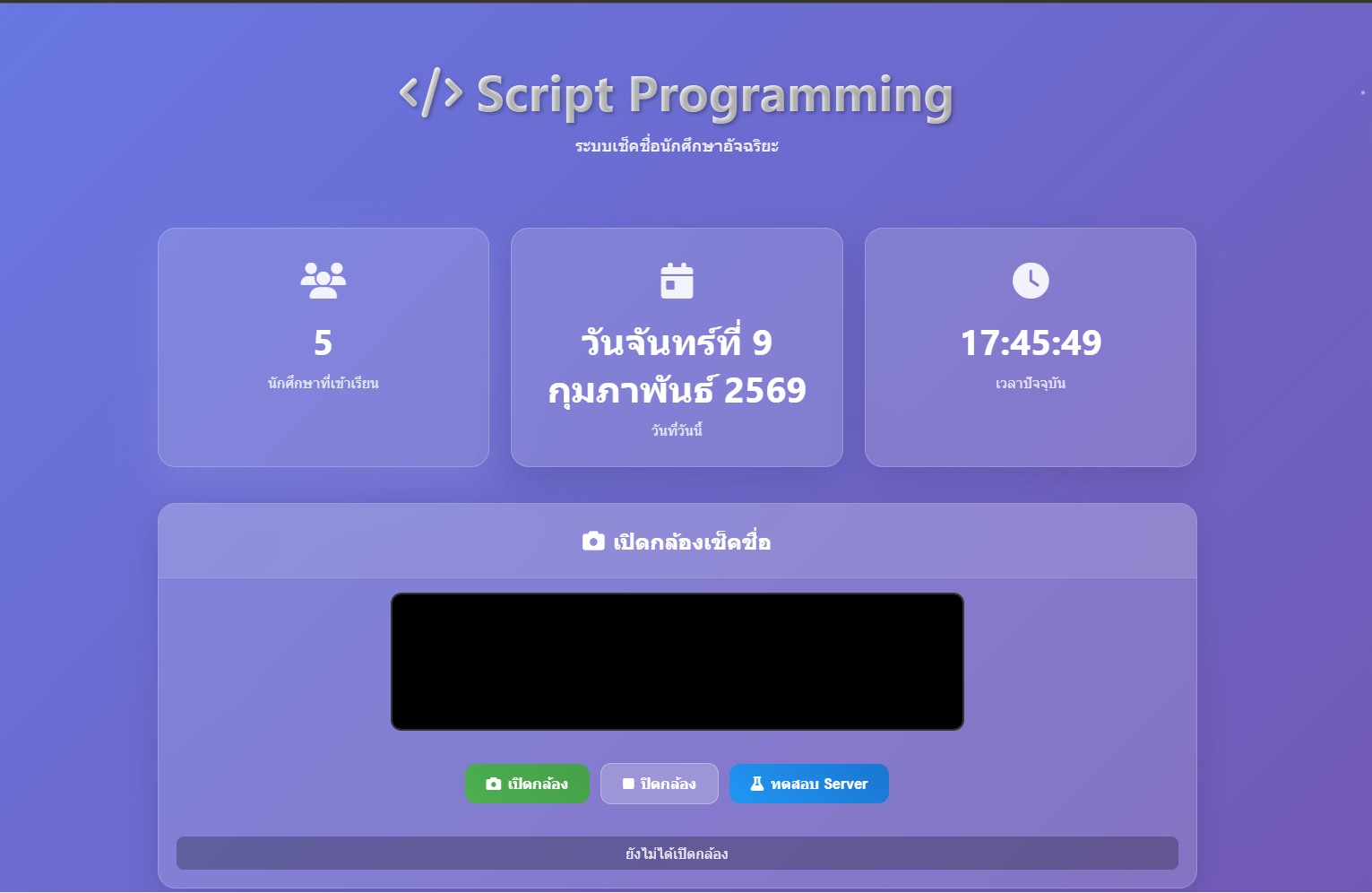
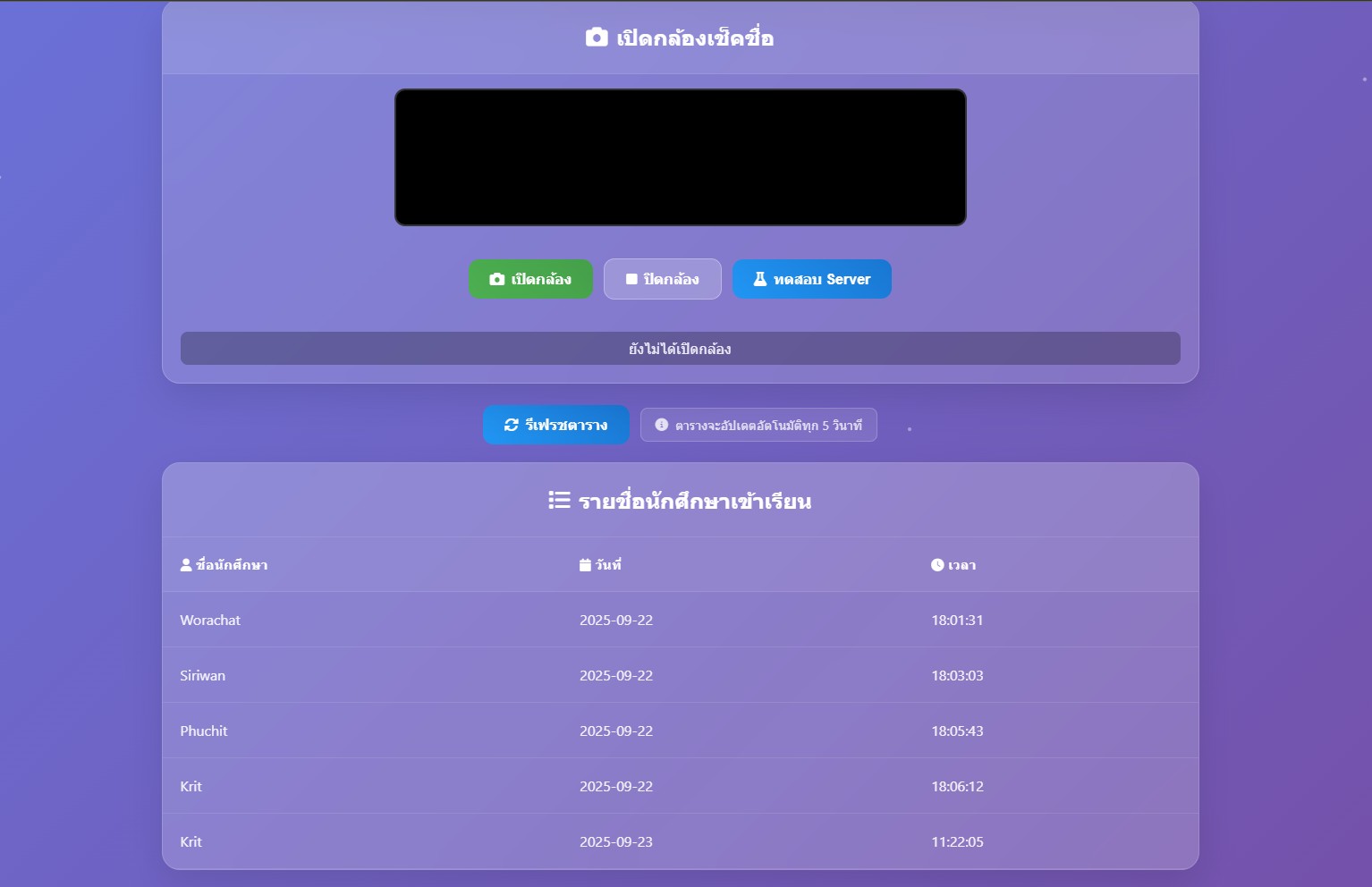
This prototype uses Python, OpenCV, dlib, and Flask to recognise faces from a webcam stream. It compares face embeddings with a prepared dataset, records attendance timestamps in CSV, prevents repeat entries within the same session, and presents the log in a web dashboard.
Challenge
Manual attendance takes time and can produce incomplete or duplicate records. Dedicated scanning hardware also adds cost and can create queues at a single checkpoint.
Solution
The system uses a standard webcam and a face-embedding pipeline to match people against the dataset. Attendance logic checks existing records before writing a new timestamp, while Flask provides a simple monitoring interface.
Key features
- Face detection and matching Detects faces from the webcam feed and compares them with registered images.
- Landmarks and embeddings Uses 68 facial landmarks and 128-dimensional embeddings for face representation.
- Attendance logging Writes recognised names and timestamps to CSV after checking for duplicates.
- Monitoring dashboard Displays recognised users and attendance timestamps through a Flask web interface.
Process
- OpenCV reads frames from the webcam.
- dlib detects, aligns, and encodes each face.
- The system matches the embedding and checks for an existing entry.
- A new timestamp is written to CSV and shown in Flask.